

Propagation Prohibited
A reflection on roses, plant patents, and the tension between innovation, stewardship, and ownership in the modern garden.

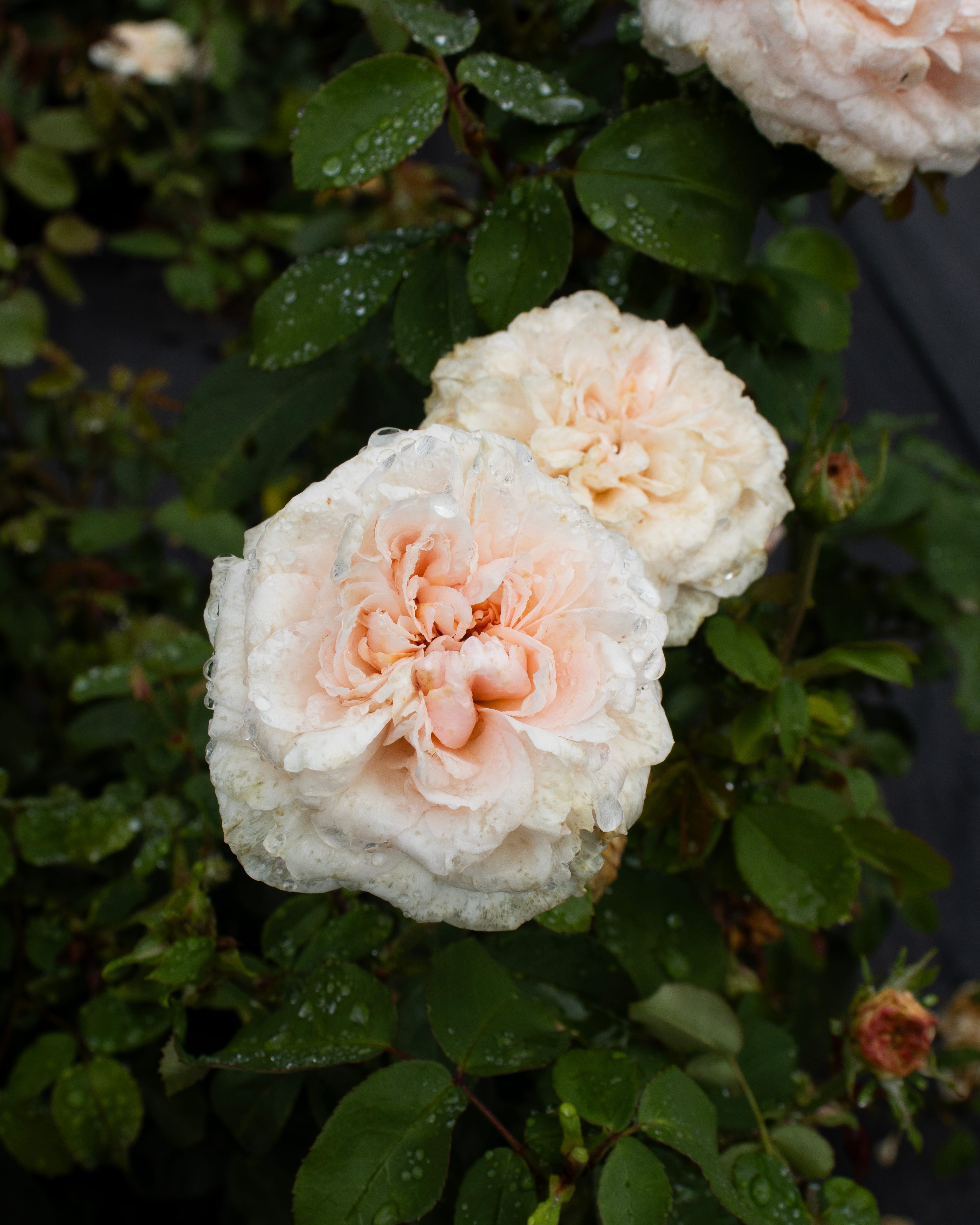
I was reading a post from a UK Substacker recently who mentioned her dislike of David Austin Roses. Not because they aren’t beautiful. But because they are everywhere. And because of the propagation restrictions attached to them.
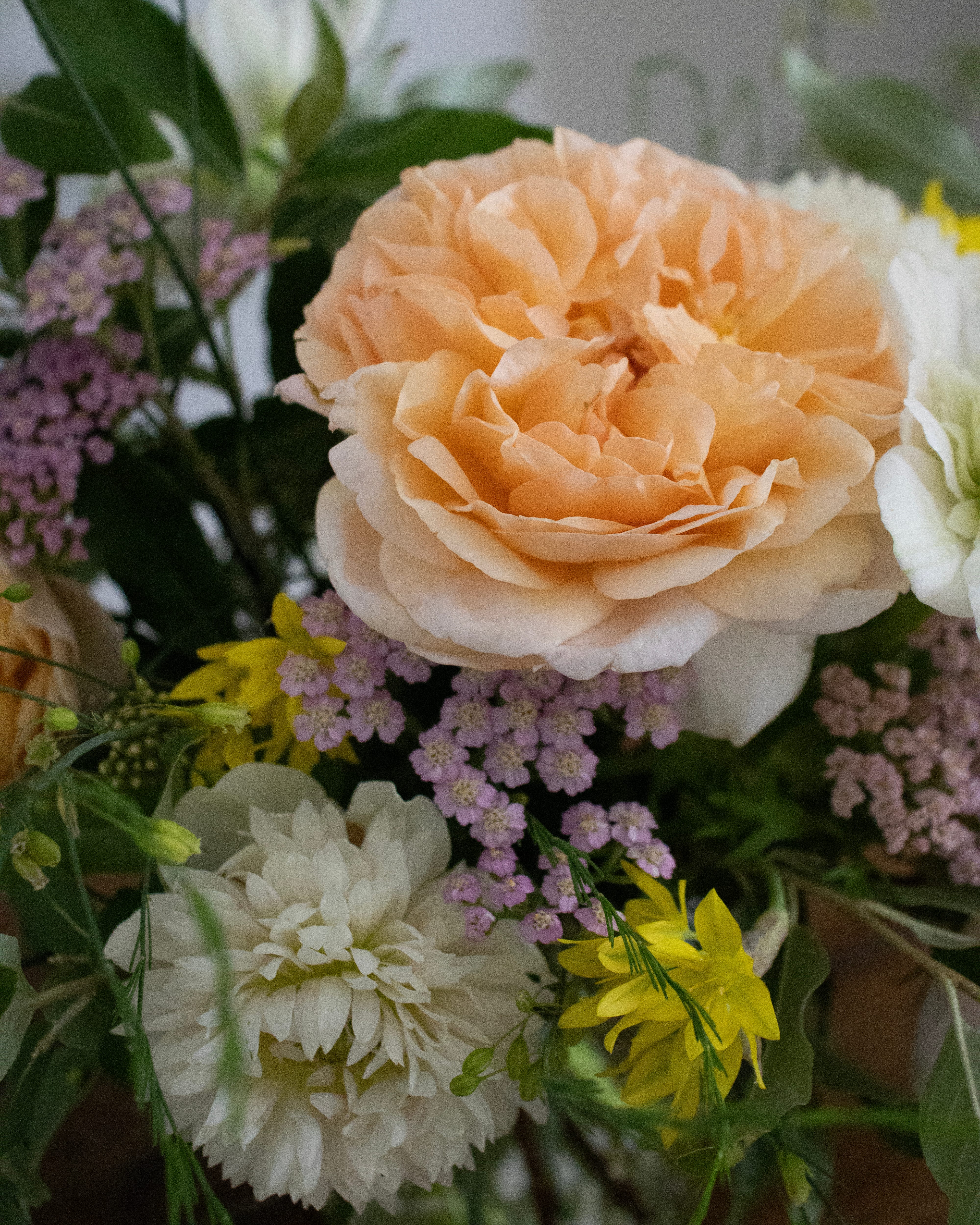
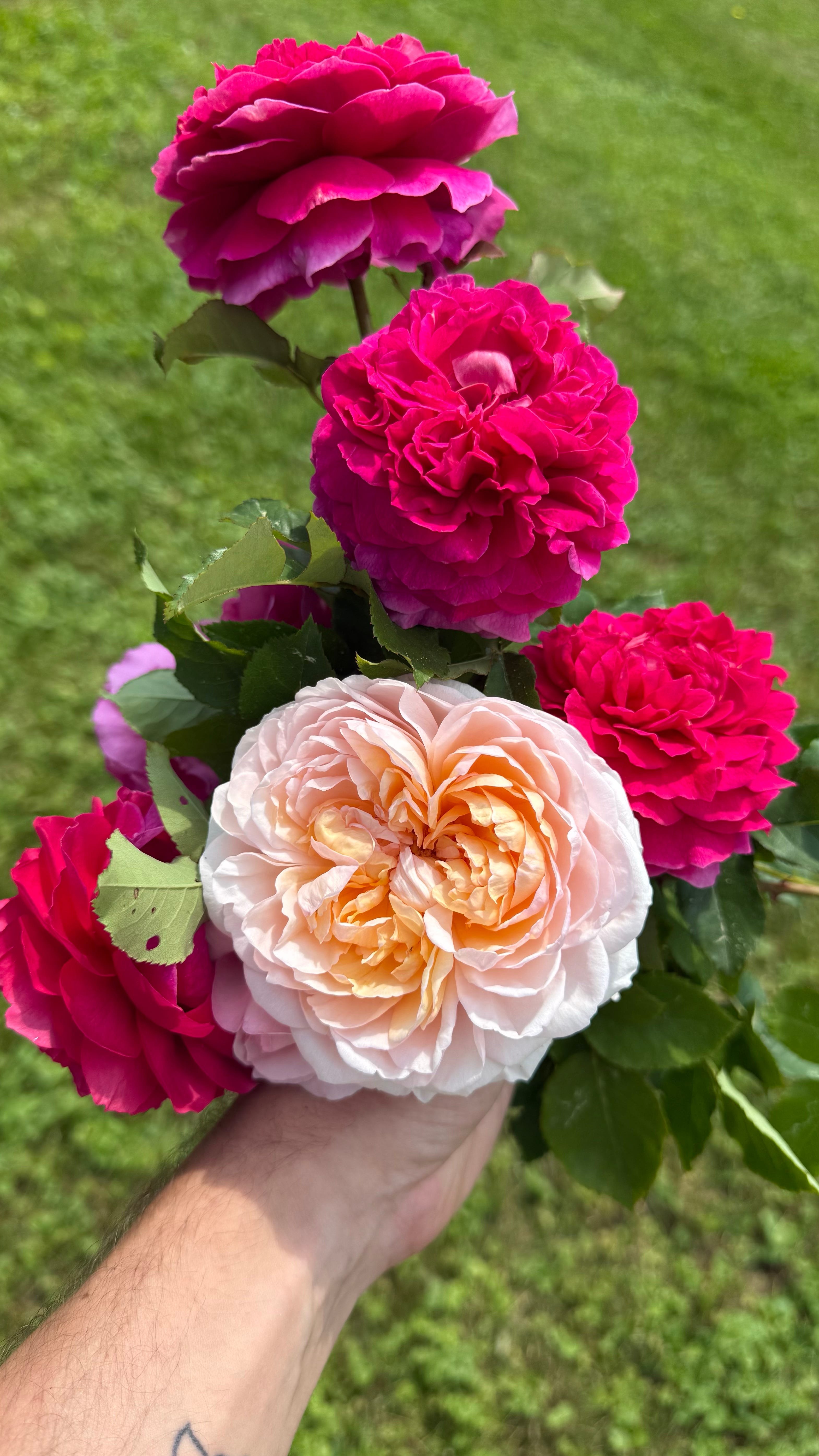
I have a few David Austin roses myself. Soft apricot, pink, and magenta blooms that open in that unmistakable cupped form. And attached to each plant tag, in small but firm language, is the same warning:
Propagation prohibited.
It’s a strange sentence to read in a garden, something more suited to a piece of technology than a living plant.
Which made me ask: can a corporation own nature?
What Does It Mean to “Own” a Plant?
In the United States and the UK, plant breeders can patent new varieties they create. If a rose is bred for a particular color, form, disease resistance, or fragrance, the breeder can apply for a plant patent. That patent typically lasts around twenty years.
During that time, it is illegal to propagate the plant asexually without permission. No cuttings. No grafting. No dividing the plant to create more of it.
Legally, it isn’t “nature” that is owned. It’s the specific cultivated variety, the human bred genetic combination, that did not previously exist.


And yet, when you’re standing in the garden, the distinction feels blurrier. It’s still a rose. You are still responsible for its survival and care. You water it. Prune it. Protect it from deer. So how does someone you’ve never met, someone who will never see your garden, own it?
Where does ownership begin and end?
Incentive or Control?
The argument in favor of plant patents is straightforward: breeding takes time, skill, and money. Protecting a new variety for a limited period allows breeders to recoup their investment and continue innovating.
And that’s true. But there is another side. When corporations hold patents on seeds or plants at scale, control over genetic material concentrates. Saving seed becomes legally complicated. Sharing cuttings becomes prohibited. Traditional practices narrow.
Movements like the Open Source Seed Initiative have emerged in response, advocating for plant varieties that remain part of the commons, seeds that can be used, saved, and bred without restriction.
Roses in My Garden
When I look at my David Austin roses, I feel two things at once. Admiration. And unease. They are undeniably beautiful. Carefully bred. Distinct. Someone’s life work, in many ways.
But they are also part of a system where a living thing can be restricted from reproduction. Where cuttings from a shrub in my own soil are legally off-limits.
At what point does stewardship become ownership?
When does protecting innovation become creating limitation?
One of the stranger realizations in growing has been that no matter how much you try to keep your hands in the soil and your focus on the seasons, capitalism, corporations, and politics are woven into the garden too.
Even if all you meant to do was grow a rose.
I think this applies to many other plants - those used for medicinal purposes as well. 7% of all plant species have been used for medicinal purposes. Poppy, Willow Bark (Salycyclin). But most arent patent protected if they grow in the wild, however, some still are.
Under the Plant Patent Act, a breeder can patent a new and distinct variety of a plant if they can reproduce it asexually (e.g., through cuttings):
Medicinal Varieties: Specific strains of Echinacea (like 'Sombrero Poco') and Sage (Salvia) have been granted plant patents.
Agricultural Crops: Famous examples include the Honeycrisp Apple (expired) and various ZZ plants.
I got the above from Gemini, so if there are exceptions, then I don't know. :-)